
Gavin He
Campolindo High School, Lafayette, CA 94556
Today, though many people don’t know it, urban gardens are becoming a major part of many public spaces and cities across the country. Instead of having empty parking lots or useless spaces, these small ecosystems turn these spaces into places where people can enjoy nature, grow food, and make new connections with others. In busy cities where greenery is limited, gardens provide a great way to bring nature into a community. The gardens remind people that just because they’re in a city does not mean they cannot experience the natural world.
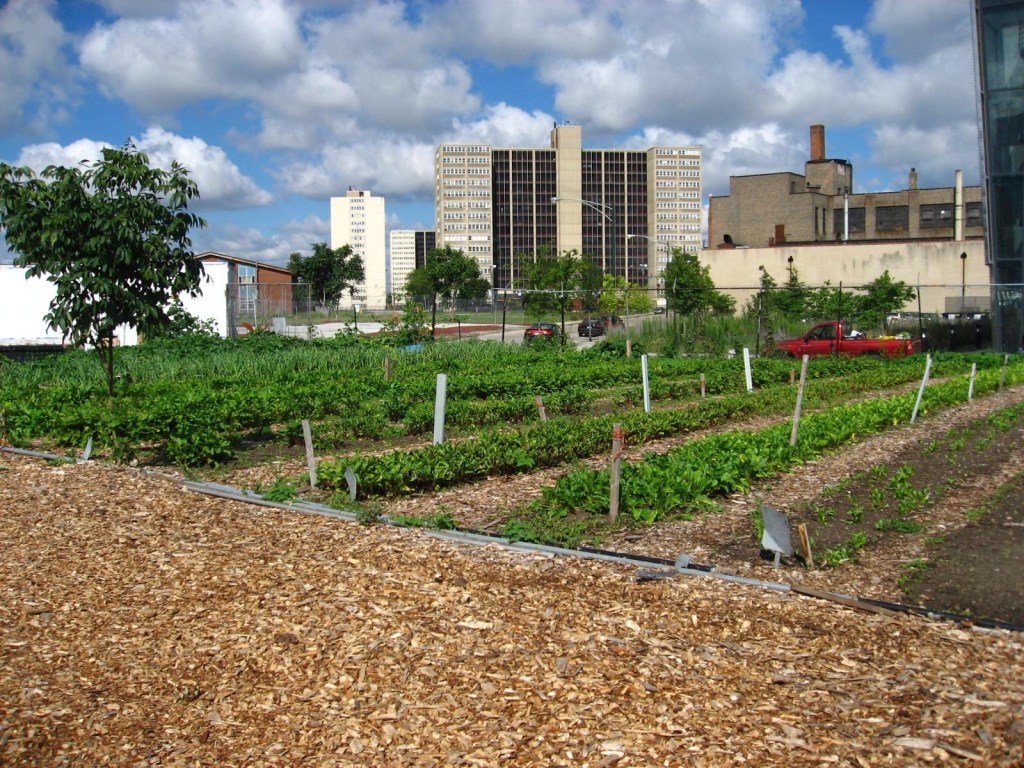
For example, programs like the San Francisco Recreation and Park Department Urban Agriculture Program help make these gardens come to fruition. The program helps community members and volunteers who want to help sustain these types of gardens by providing the tools, education, and necessary garden space. They also host Garden Resource Days, where residents can receive seeds of their favorite plants, compost, and knowledge on how to help their own gardens grow. Providing these resources helps the program encourage people to learn basic gardening skills while also improving their community.
In addition to cities, urban gardens can also be found on college campuses. For example, at the University of California, Berkeley, the multiple campus gardens allow students to grow fruits, vegetables, and herbs while learning about their nutritional benefits, agriculture, and how to sustain the gardens. Then, the food grown from these gardens is often graciously given to campus programs such as food pantries, helping students give back to their community, and assisting students who may struggle to find fresh food. These gardens are also peaceful areas where students can work and connect while enjoying the natural environment.
Not just in college but across many communities, these urban gardens also provide therapeutic help. They give people access to nature, which is scientifically proven to improve both physical and mental health, helping the mind relax. Working in one of these urban gardens can reduce stress, promote exercise, and help focus. Urban gardens also play a meaningful role in improving the environment of a city. The greenery helps filter the heavy air pollution seen in some large cities, supports pollinators like bees and butterflies, which play a major role in plant reproduction, and makes the space a nicer place to live in. When people take time out of their day to volunteer for gardening, they can become more aware of environmental issues and how every action may negatively or positively affect the planet.
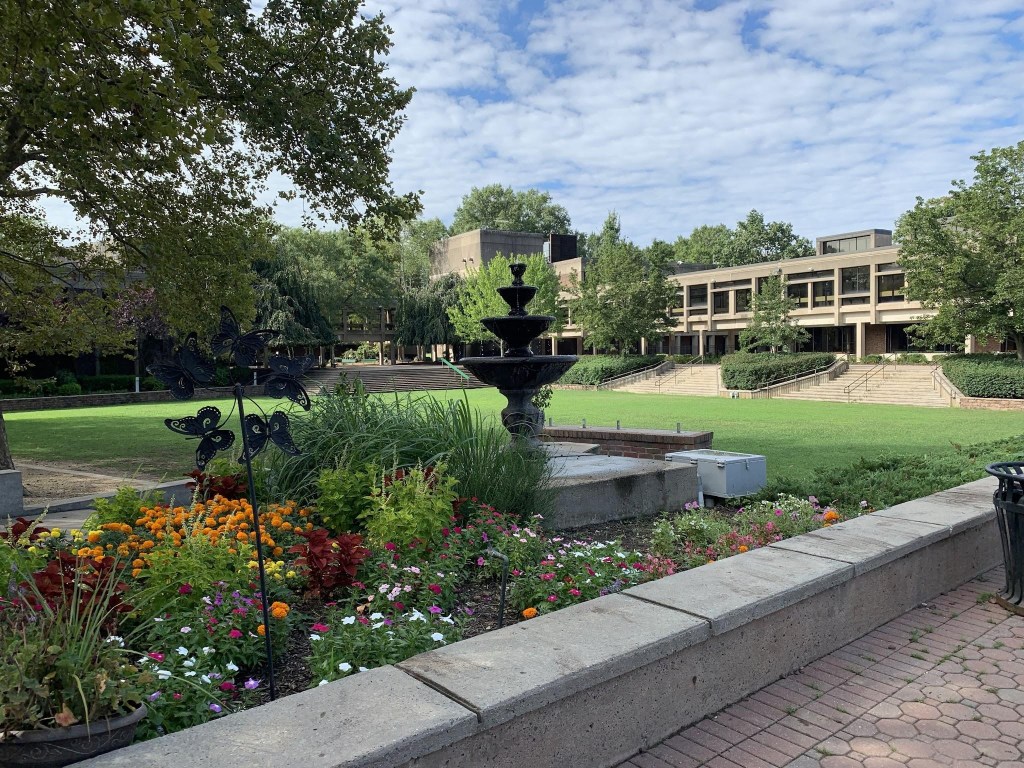
Overall, urban gardens demonstrate how small spaces like these can make a whole city feel refreshing and cleaner. As they provide fresh nutrients, strengthen community bonds, and make neighborhoods and cities cleaner places to live, people are reminded to be more mindful of their surroundings and their actions. As more organizations and schools support these programs, urban gardening will continue to expand and benefit people in various ways.
References
“Urban Agriculture Program | San Francisco Recreation and Parks, CA.” Sfrecpark.org, sfrecpark.org/1181/Urban-Agriculture-Program.
“Campus Gardens.” Berkeley Food Institute, food.berkeley.edu/for-students/campus-gardens/
“How Urban Gardens Create Greener, Healthier Cities | The Wilderness Society.” http://www.wilderness.org, www.wilderness.org/articles/blog/how-urban-gardens-create-greener-healthier-cities





Leave a comment