
National Water Quality Month was created in 2005 by the Environmental Protection Agency (EPA) with support from the United Nations. Its goal is to remind people how important clean water is and to encourage communities to talk about ways we can protect it.
The idea of protecting water in the U.S. actually started much earlier, in the 1970s. In 1972, Congress passed the Clean Water Act, which made it illegal to dump large amounts of toxic waste into rivers, lakes, and streams. This was a big step in making sure that water people swam in, fished from, or drank was safe. Then, in 1974, the Safe Drinking Water Act was passed to make sure groundwater and public water systems were also protected. Together, these laws built the foundation for the clean water we rely on today.
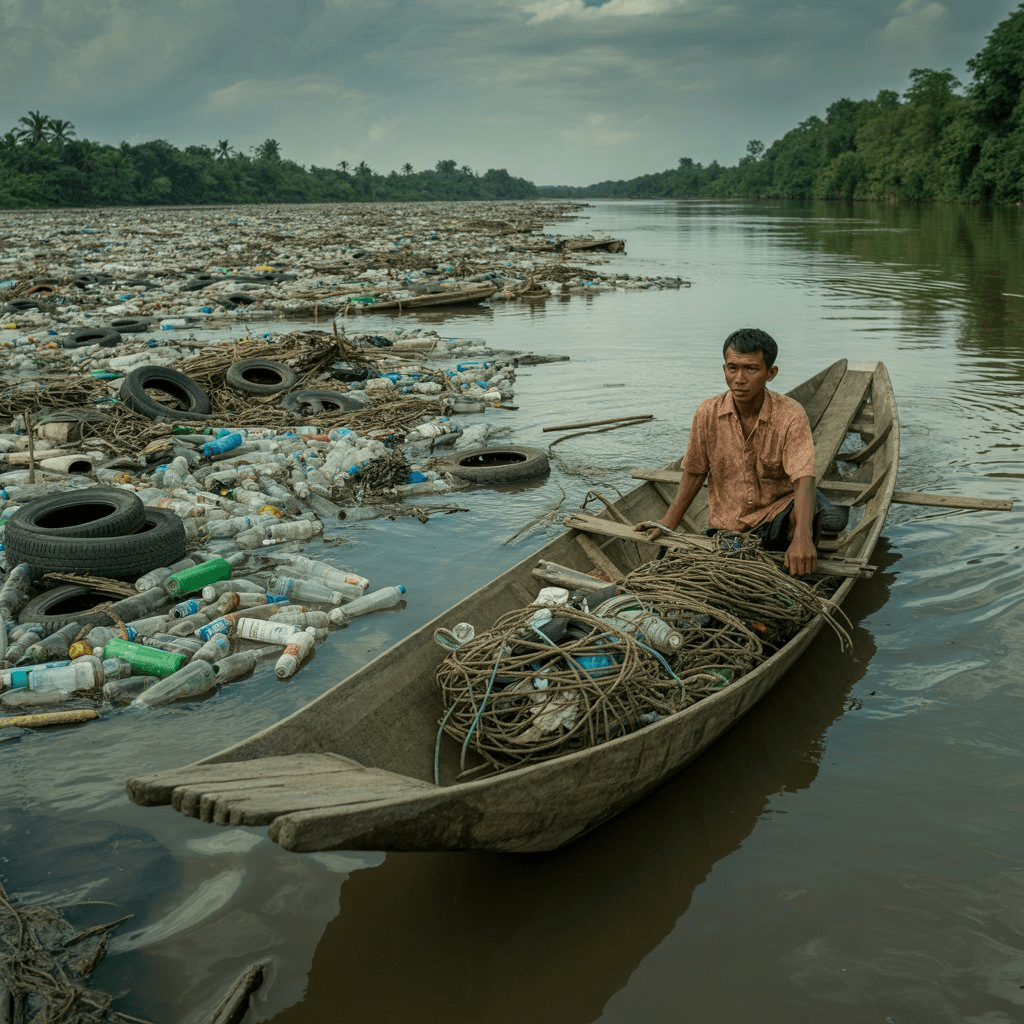
National Water Quality Month challenges us to continue this work in our everyday lives. Small actions can make a big difference—like not pouring chemicals down the drain, conserving water at home, or joining local clean-up events. By being careful with how we use water and how we treat our environment, we can help make sure that future generations will always have access to safe, clean water.
 The Environment Magazine
Leave a comment