
Annie Zhang
Quarry Lane School, Dublin, CA 94568
Every year, California spends more than 500 million dollars picking up around five million tons of plastic(oceana.org, Emily Petsko, September 21, 2022). Less than one-fourth of the plastic sold is recycled. Most plastic ends up in landfills as well as oceans. This is a huge threat to our environment, causing many negative effects on our ecosystem. Plastic should be banned in California, for the fact that it causes land, water, and air pollution, is a threat to animals living on land and in the water, and has a negative effect on human health.

Figure 1: Plastic on a beach in Honduras. (source: https://theoceancleanup.com/media-gallery/)
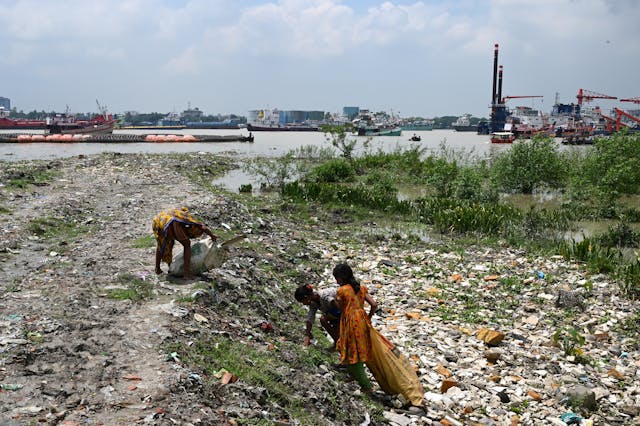
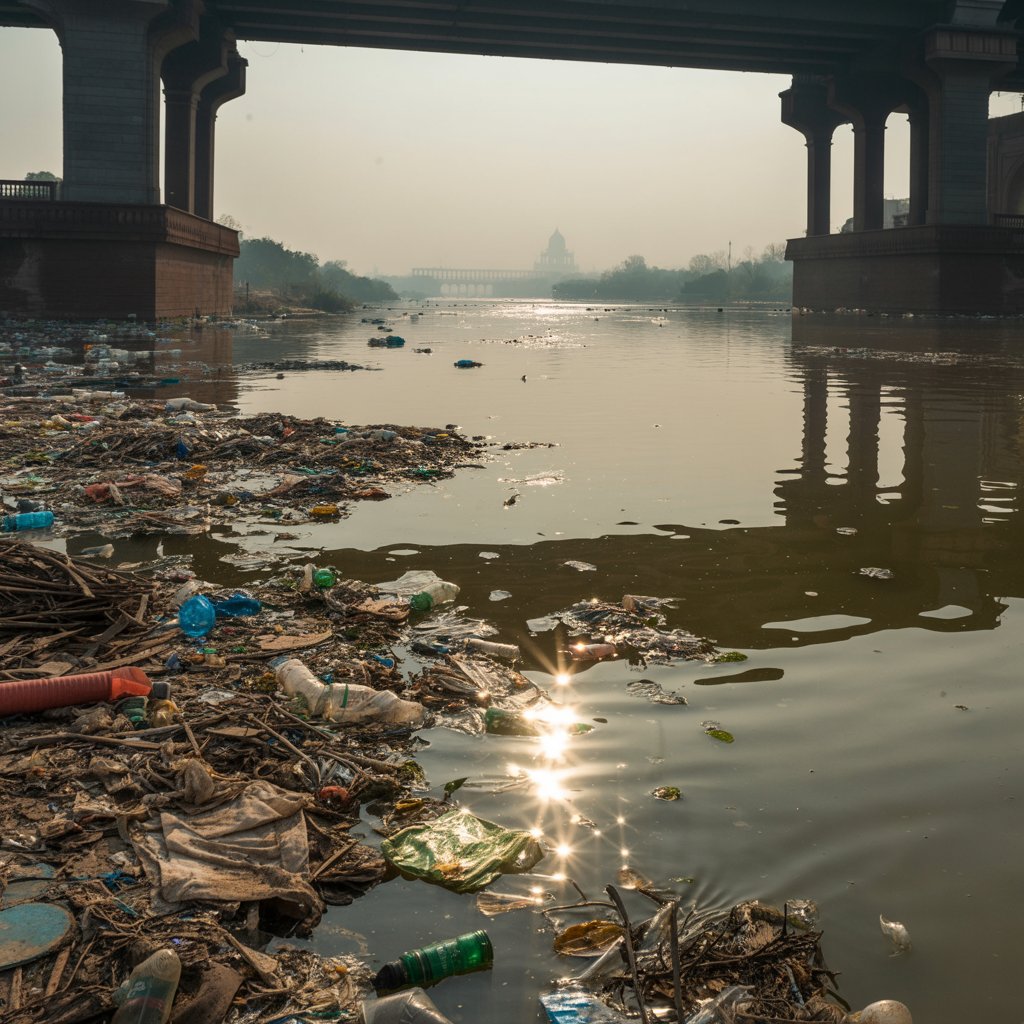
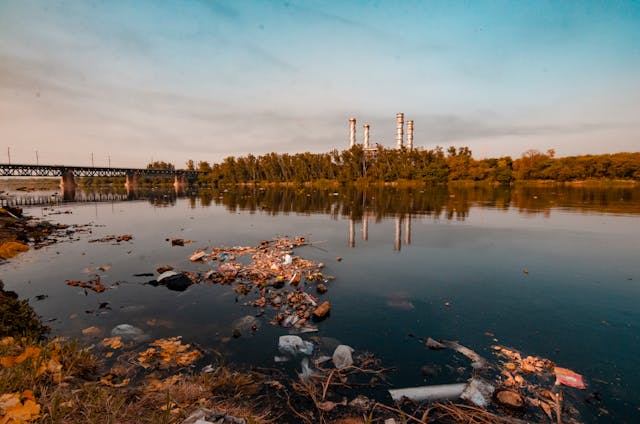
The toxic effects of plastic can harm the Earth’s ecosystem. Plastic can release deadly chemicals such as phthalates and Bisphenol A into the soil. Once it seeps into the ground, it can leak into groundwater sources or vegetation (unep.org, December 22, 2021). This leads to humans and even animals to consume the water or plants that are affected. A handful of plastic gets burned too, which releases toxic gasses into the atmosphere due to the fossil fuels it contains. If this keeps going on, the air might be so polluted you might not be able to go outside anymore. Not only does it pollute the land and air, but it also pollutes water. Many plastic-polluted places can include rivers, streams, lakes, and oceans. Since plastic accumulates pollutants in water, these chemicals can spread to other animals. This poses a great threat to our land, water, and air.

Figure 2: Plant growing (source: https://www.conserve-energy-future.com/plant-pollution.php)
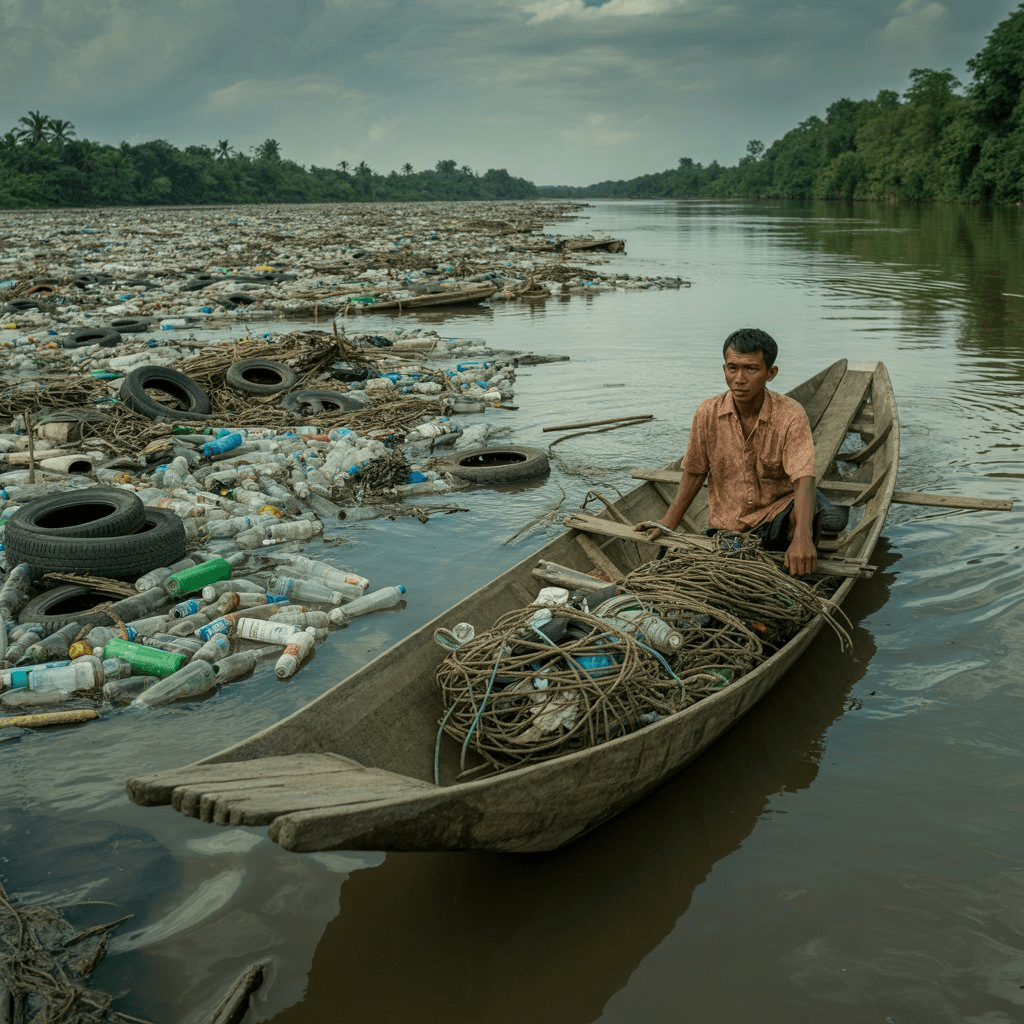
Plastic is also a hazard to marine and land animals. These animals can become entangled in or even ingest plastic, causing suffocation, starvation, and drowning. All these problems are a huge concern to these animals. When animals ingest plastic, they are at huge risk of dying or getting sick. If many animals are affected by plastic, they are putting their population in danger. As previously stated, plastic contains toxic chemicals, and animals ingesting these toxic chemicals results in disease contraction, which can harm and disrupt their reproductive systems. Having a disrupted reproductive system leads to animals producing fewer eggs, and mammals not being able to reproduce at all. If animals fail to reproduce, the population will decline, and animals will slowly become extinct and disappear. Saving animals should be our number one priority as these animals are very crucial to Earth and humanity.

Figure 3: Entangled leatherback turtle.(source: http://www.oceanspirits.org/)
Around 400,000 to one million people pass away each year because of plastic (kff.org, May 14, 2019). Plastic contains chemical additives known to be toxic to the human body. These chemicals can be in the water we drink or the food we eat. When consumed, they can lead to infertility, obesity, diabetes, and prostate or breast cancer (genevaenvironmentnetwork.org, October 12, 2022). Sadly, many people have been affected by these disorders. Some of the rarer disorders include reproductive, growth, and cognitive impairment, as well as damage to neurodevelopment (genevaenvironmentnetwork.org, October 12, 2022). These disorders can greatly impact a human’s life, not knowing if they will become impacted or not. Equally important, babies around plastic may accidentally consume it, endangering their lives. Of course, the probability of even getting these diseases from plastic is pretty slim, but we still shouldn’t put ourselves in danger. To reduce these deaths, we should ban plastic in California and replace it with something more eco-friendly.

Figure 4: Piles of plastic. (source: https://www.ecowatch.com/plastic-pollution-reduction-goals-unep.html)
Many people argue about whether or not plastic should be banned in California. Some people say they are beneficial, while others say they harm the environment. But, the amount of money California spends on plastic is way more than it should be spending. This money could be going towards something more useful other than plastic. On the other hand, plastic can be replaced with other substitutes including steel, glass, and silicone which is much safer for our planet. Plastic should be banned in California, for the fact that it causes land, water, and air pollution, is a threat to animals living on land and in the water, and has a negative effect on human health.
References
“Entangled Leatherback Turtle.” Ocean Spirits, http://www.oceanspirits.org/.
Petsko, Emily. “California’s Bold Move to Curb Plastic Pollution.” Oceana, 21 Sept. 2022, oceana.org/blog/californias-bold-move-to-curb-plastic-pollution/#:~:text=Plastic%20waste%20that%20ends%20up.
“Piles of Plastic.” Eco Watch, http://www.ecowatch.com/plastic-pollution-reduction-goals-unep.html.
“Plant Growing.” Conserve Energy Future, http://www.conserve-energy-future.com/plant-pollution.php.
“Plastic on a Beach in Honduras.” The Ocean Cleanup, theoceancleanup.com/media-gallery/.
“Plastics and Human Health | Plastics and the Environment Series.” Geneva Environment Network, 26 June 2023, http://www.genevaenvironmentnetwork.org/resources/updates/plastics-and-health/.
“Plastics, Mismanaged Waste Kill up to 1M People Annually, Report, Sir David Attenborough Warn.” KFF, 14 May 2019, http://www.kff.org/news-summary/plastics-mismanaged-waste-kill-up-to-1m-people-annually-report-sir-david-attenborough-warn/#:~:text=A%20report%20on%20the%20impact.
PolyAlto, Groupe. “Are Plastic Materials Lightweight?” Polyalto, blogue.polyalto.com/en/are-plastic-materials-lightweight#:~:text=Overall%2C%20plastic%20materials%20are%20known.
United Nations. “Plastic Planet: How Tiny Plastic Particles Are Polluting Our Soil.” UNEP, 4 Apr. 2018, http://www.unep.org/news-and-stories/story/plastic-planet-how-tiny-plastic-particles-are-polluting-our-soil#:~:text=Toxic%20effects&text=Chlorinated%20plastic%20can%20release%20harmful.

 The Environment Magazine
Leave a comment